

Wandsworth rubbish removal insider tips to avoid hidden charges
Posted on 02/09/2026
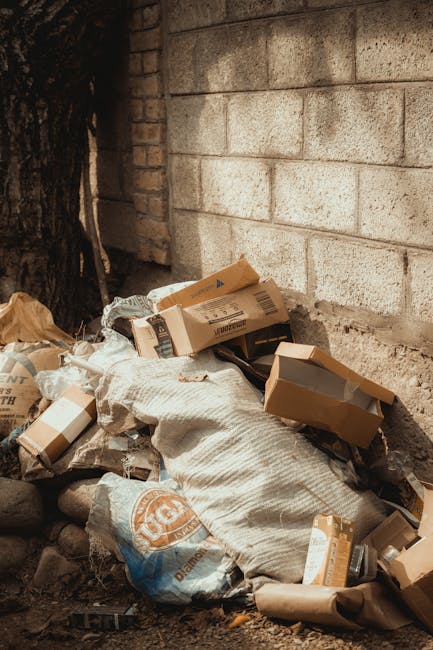
If you've ever booked rubbish removal and then spotted a bill that feels strangely bigger than the quote, you're not imagining it. Hidden charges can creep in through access issues, vague load estimates, extra labour, mattress fees, staircase carry charges, parking assumptions, and a dozen other little add-ons. This guide shares practical Wandsworth rubbish removal insider tips to avoid hidden charges so you can compare quotes properly, ask the right questions, and keep the final price where it should be.
Whether you're clearing a flat near the river, emptying a loft in SW18, or dealing with post-renovation mess, the same basic principle applies: the cheapest quote is not always the cheapest job. Let's make the pricing clearer, calmer, and a lot less annoying.
Why Wandsworth rubbish removal insider tips to avoid hidden charges Matters
Hidden charges usually appear when a quote is built on assumptions instead of details. A company may quote for "standard access" and then add costs because the van can't park close enough, the waste is heavier than expected, or the crew has to carry items down several flights of stairs. None of that is rare. In fact, it's the sort of thing people only notice after the job has started, which is exactly when it becomes difficult to argue.
In Wandsworth, the risk can be higher simply because homes and premises vary so much. You've got compact flats, Victorian terraces, shared driveways, tight side returns, busy roads, permit-controlled parking, and the occasional building where the lift is doing its best but not quite enough. Those details matter. A quote that ignores them is a quote waiting to wobble.
Here's the real point: good rubbish removal pricing should be clear enough that you understand what is included before anyone arrives. If you know how the pricing is usually structured, you can spot vague wording, ask better questions, and avoid awkward conversations at the kerb. That's the whole game.
Expert summary: The best defence against hidden charges is not haggling harder. It's giving accurate job details, getting the pricing model in writing, and checking the likely extras before the truck turns up.
How Wandsworth rubbish removal insider tips to avoid hidden charges Works
Most rubbish removal jobs in Wandsworth follow a simple pattern. You explain what needs clearing, the provider estimates the amount of waste, and you receive a quote based on volume, weight, item type, labour, access, and disposal costs. The trouble is that some companies keep those pieces too loose. If the description stays generic, the final invoice can expand.
A clearer process usually looks like this:
- You describe the job in detail. Not just "a bit of garden waste", but roughly how many bags, what type of material, and whether it's bagged or loose.
- The company assesses the load. This might be from photos, a video, or an in-person visit for larger clearances.
- The quote is explained. You should know whether it covers labour, loading, disposal, and any standard access issues.
- Any possible extras are flagged early. Good firms mention things like long carry distances, hazardous items, or heavier-than-normal waste before the job starts.
- The team collects and removes the waste. If anything changes materially, you should be told before extra costs are added.
That last point matters more than people think. A small misunderstanding at the start can become a large "surprise" at the end. And, to be fair, no one enjoys that feeling when the van door shuts and suddenly there's an extra line on the invoice.
If you are comparing options, pages such as pricing and quotes and how much rubbish clearance costs in Wandsworth can help you understand the shape of a fair estimate before you book.
Key Benefits and Practical Advantages
Being careful about hidden charges is not just about saving money, although that is obviously part of it. It also makes the whole job easier to manage. When the pricing is transparent, you can plan the timing, decide what to keep, and avoid that horrible last-minute scramble where everyone is moving black bags around at 7:30 in the morning.
The practical benefits are straightforward:
- Cleaner budgeting: you know what the job is likely to cost before anyone arrives.
- Less stress: no awkward renegotiation at the door.
- Better comparisons: quotes become easier to compare like-for-like.
- Fewer delays: clear access details reduce the chance of a crew having to rework the plan.
- Better service fit: you can choose the right type of clearance, whether it is furniture, loft rubbish, builders waste, or general household clutter.
There is also a trust benefit. Once a company explains pricing properly, it becomes easier to judge whether they are organised and professional. That sounds small, but in this industry it is not small at all. The way a quote is handled often tells you how the job itself will go.
Who This Is For and When It Makes Sense
This advice is useful for almost anyone arranging waste removal in the borough, but it is especially important if your job has any of the usual quote-creepers: stairs, narrow access, mixed waste, bulky furniture, builder's rubble, or parking complications. If any of that sounds familiar, you should pay extra attention to the wording of the estimate.
It makes particular sense for:
- Homeowners clearing a house or loft: these jobs often include awkward access and a mix of item types.
- Landlords and letting agents: speed matters, but so does knowing exactly what the tenant left behind.
- Office managers: office clearance can involve monitors, desks, filing, and access restrictions.
- Builders and trades: waste from renovations can weigh more than people expect.
- People moving home: the last thing you need during a move is a disputed rubbish bill.
If you live in a flat, you'll probably notice the issue faster than most. One day the quote looks fine; then the team arrives and the reality of the staircase, the door width, the parking bay, and the basement corridor all show up at once. That's not unusual. It just means the quote needed to be more specific from the start.
Step-by-Step Guidance
Here is the simplest way to protect yourself from extra costs without turning the whole thing into a project in itself.
1. List everything you want removed
Don't just describe the obvious big items. Mention the extras too: broken chairs, under-sink waste, old paint tins, dismantled bed frames, carpet offcuts, bagged rubbish, garden cuttings, or loft debris. Small items can add up in volume, and loose assumptions are where pricing gets fuzzy.
2. Separate standard waste from unusual items
Some items require more care or disposal handling than general household junk. If you have plasterboard, soil, fridges, mattresses, paint, or electrical items, say so early. A good provider will tell you if they affect price. A vague quote might not. That's the difference.
3. Send clear photos from more than one angle
Photos help, but they only work if they show scale. Take a wide shot, then closer shots of the pile, access route, stairs, and any tight corners. If a crew needs to carry waste a long way, show that too. A photo taken from the wrong angle can make a bin bag mountain look like one tidy corner. We've all seen that trick. Well, nearly all.
4. Ask what the quote includes
Before agreeing, ask whether the price includes labour, loading, disposal, VAT if applicable, and any standard access assumptions. Don't be shy about it. If a company is clear and professional, they will not mind. If they get flustered, that tells you something.
5. Ask about likely extras upfront
Typical extras can include stair carries, long carries from the property to the vehicle, parking or permit issues, very heavy waste, same-day service, or items that need separate disposal handling. Not every company charges for the same things, so you need clarity specific to that quote.
6. Confirm the final price trigger
This is the key question: what would make the price change on the day? If the answer is vague, keep asking. You want to know the exact point at which the estimate becomes different from the invoice. That answer, honestly, tells you a lot.
7. Get it in writing
Even a short written confirmation helps. It gives you a record of the scope, the assumptions, and any promised inclusions. A message thread is better than memory. Memory gets fuzzy, especially when people are rushing around with bins and tape measures.
Expert Tips for Better Results
Most money-saving advice sounds generic because, well, it often is. So here are the tips that genuinely help in day-to-day rubbish removal jobs.
- Be honest about volume. Underestimating by "just a little bit" is the fastest route to a worse price.
- Pack loose waste where possible. Bagged rubbish is easier to assess than a sprawling pile of mixed bits.
- Group items by type. Furniture, garden waste, and builders waste may be handled differently.
- Tell them about access early. Stairs, narrow hallways, basement steps, and no-parking streets all affect labour time.
- Ask whether there is a minimum charge. Sometimes the issue is not the extra charge itself but the job size threshold.
- Compare more than one quote. One estimate can look low simply because it excludes more than the others.
Also, don't forget the practical side of timing. If you're planning around a move, renovation, or a big clear-out before guests arrive, a same-day slot may be convenient but not always the cheapest. If timing matters, take a look at same-day rubbish removal Wandsworth SW18 quotes before deciding whether speed is worth the premium.
One more thing. If you're choosing between a quick phone estimate and a photo-based estimate, the photo route is usually safer. It's not glamorous, but it is more accurate. And accuracy saves money. Boring? Maybe. Effective? Definitely.

Common Mistakes to Avoid
Hidden charges are often less about bad luck and more about avoidable confusion. The same mistakes keep showing up.
- Accepting a quote without asking what is excluded. Exclusions are where the surprise lives.
- Using words like "a few bags" or "some old stuff" only. That is too vague to price properly.
- Ignoring access problems. A short stairwell can still be a big labour factor.
- Forgetting about parking. In parts of Wandsworth, parking isn't just a side note. It can shape the entire collection plan.
- Mixing different waste types together without saying so. Mixed loads are harder to price and may be handled differently.
- Assuming every firm prices the same way. They don't. Not even close.
The biggest mistake? Probably saying yes too quickly because the first number sounds good. A low quote is nice to hear. But if it is too light on detail, it may be a bit of a trap, and nobody wants that.
Tools, Resources and Recommendations
You do not need specialist software or anything dramatic. A few simple tools and reference points make the whole process smoother.
- Phone camera: take wide, clear pictures in daylight if possible.
- Notes app or checklist: write down every item and any access issues.
- Measuring tape: useful for bulky furniture, loft access, or awkward doorways.
- Message history: keep your quote details in writing.
- Service overview pages: these help you understand what kinds of clearances are offered, including the services overview, waste clearance in Wandsworth, and rubbish collection options.
If you're dealing with a specific job type, it can also help to look at the dedicated service pages before you book. For example, a loft tidy-up behaves differently from an office clear-out, and furniture disposal is not the same as garden waste removal. The right page gives you a more realistic expectation of what may be included.
For related reading and trust-building details, you may also find the company pages on about us, insurance and safety, recycling and sustainability, and payment and security useful before handing over a booking.
Law, Compliance, Standards, or Best Practice
For waste removal in the UK, the big practical rule is simple: waste should be handled responsibly, and customers should avoid anyone who cannot explain how waste is transported and disposed of. You do not need to become an expert in waste law to protect yourself, but you should expect professional behaviour.
In plain English, best practice usually means:
- clear job descriptions before collection
- transparent pricing terms
- reasonable care with access, property, and safety
- appropriate handling of restricted or more complex items
- proper disposal routes rather than suspiciously cheap shortcuts
It is also sensible to keep an eye on written terms. A decent provider will have readable terms and conditions and a privacy policy explaining how your details are used. If you care about accessibility, policies, or broader business conduct, those pages are worth a glance too. Not thrilling, I know, but helpful. The dull stuff often prevents the messy stuff.
One more practical point: if a company can't explain the basis of its quote in everyday language, that is a warning sign. Pricing should be understandable without a decoder ring.
Options, Methods, or Comparison Table
Different situations call for different booking methods. Here's a quick comparison that helps you judge where hidden charges are most likely to appear.
| Method | Best for | Risk of hidden charges | Why |
|---|---|---|---|
| Photo-based quote | Household clearances, furniture, mixed general waste | Lower | More visual detail reduces assumptions. |
| Phone-only estimate | Very small, simple jobs | Medium to high | Easy to miss access issues or item types. |
| On-site assessment | Lofts, office clear-outs, builders waste, larger jobs | Lowest | Best for awkward access and bigger loads. |
| Fixed-price agreement | Jobs with a clearly defined scope | Low | Strongest option if the company defines inclusions properly. |
For many people, the sweet spot is a photo-based quote with a fixed-price promise where possible. That combination keeps things simple while still giving the provider enough detail to price honestly. If your job is more complex, especially with access challenges or lots of bulky items, an on-site assessment can save more money than it costs in time.

Case Study or Real-World Example
Imagine a Wandsworth flat clearance on a Friday afternoon. The customer says they have "a few bits of furniture and some loft junk." Sounds straightforward enough. But once the photos come in, the picture changes: a wardrobe, two bed bases, a cracked desk, seven black bags, a hoover, and a pile of mixed loft debris tucked behind a low door in a third-floor property with no lift. Classic.
Now compare two approaches. In the first, the quote is based on the vague phrase "a few bits", so the collection team arrives expecting a smaller load. The job takes longer, the carry distance is awkward, and the final price creeps upward. In the second, the customer sends clear photos, explains the stairs, mentions parking limits, and confirms the mixed load. The quote is a bit more realistic from the start, and the collection feels smoother.
That second version usually ends better for everyone. The customer pays a fair price, the crew knows what they are walking into, and nobody ends the day feeling stitched up. Simple, really.
Practical Checklist
Use this before you accept any rubbish removal quote in Wandsworth.
- Have I listed every item, including the small stuff?
- Have I explained whether the waste is loose, bagged, bulky, or mixed?
- Have I mentioned stairs, lifts, parking, or long carry distances?
- Have I asked what the quote includes and excludes?
- Have I checked whether special items may cost extra?
- Have I asked if the price is fixed or only an estimate?
- Have I got the key details in writing?
- Do I understand what would trigger a higher final bill?
- Have I compared the quote with at least one other option?
- Does the company offer useful information on services, safety, and payment?
If you can tick most of those boxes, you are in a much better position than the average customer. And that's the point. You do not need to become suspicious of everything. You just need enough clarity to make a sensible decision.
Conclusion
Hidden charges are usually the result of missing details, not magic. Once you know how rubbish removal quotes are built, it becomes much easier to protect yourself. Be specific, ask what is included, flag access issues early, and get the key terms in writing. That's the heart of Wandsworth rubbish removal insider tips to avoid hidden charges, and it works because it replaces guesswork with clarity.
If you're dealing with a flat clearance, a loft clear-out, garden waste, office clutter, or a same-day job, take a few extra minutes at the quoting stage. Those minutes can save you stress, time, and a final invoice that makes your eyebrows jump.
Get a free quote today and see how much you can save.
And if you do it properly, the whole thing can feel surprisingly straightforward. A bit of prep, a clear quote, job done. Nice when that happens, isn't it?
 Tipper Van - Waste Clearance and House Waste Disposal Prices in Wandsworth, SW8
 Luton Van - Waste Clearance and House Waste Disposal Prices in Wandsworth, SW8

